
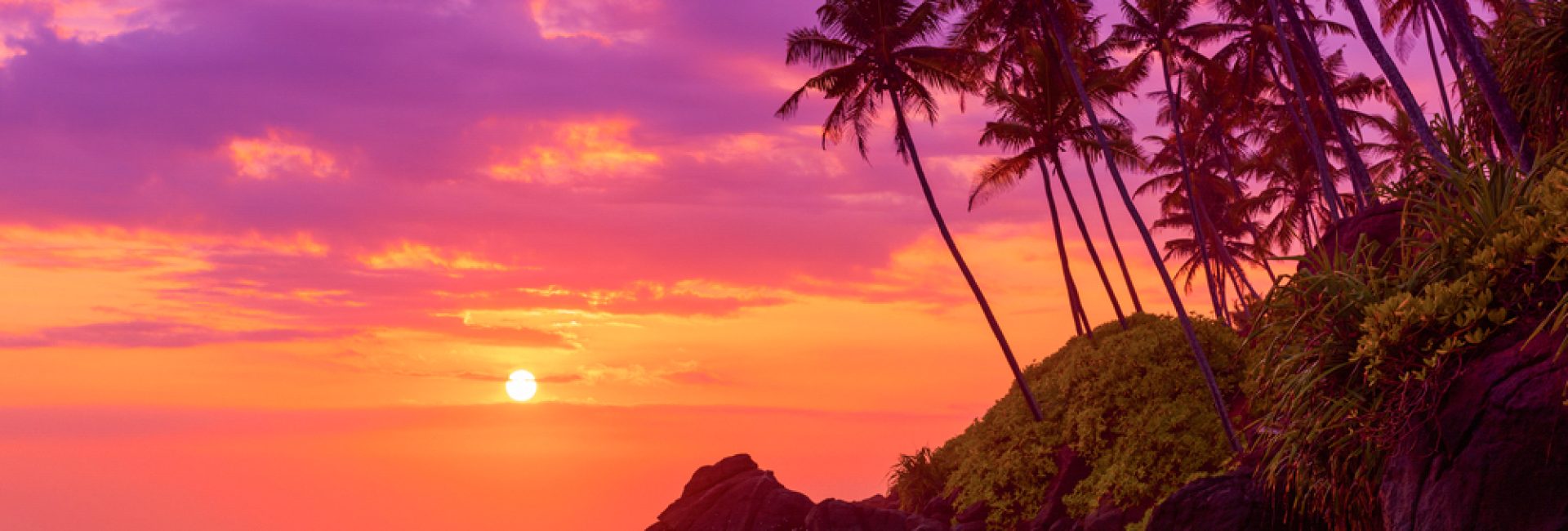
HAWAII BIG ISLANDS WILDLIFE
FEB. 3RD -12TH, 2027
5 Spaces Available!
Details
Join us for an unforgettable journey through the Hawaiian Islands, where volcanic landscapes, turquoise seas, rare wildlife, and vibrant tropical forests create one of the most spectacular natural environments on Earth.
This carefully crafted expedition offers a rare all inclusive, opportunity to explore four of Hawaii’s most beautiful islands—Oʻahu, Kauaʻi, Maui, and the Big Island—each offering its own unique blend of wildlife, scenery, and cultural richness. From seabird colonies perched on dramatic cliffs to waterfalls plunging into lush rainforest valleys, from whale-filled oceans to ancient volcanoes, every day brings new discoveries in paradise.
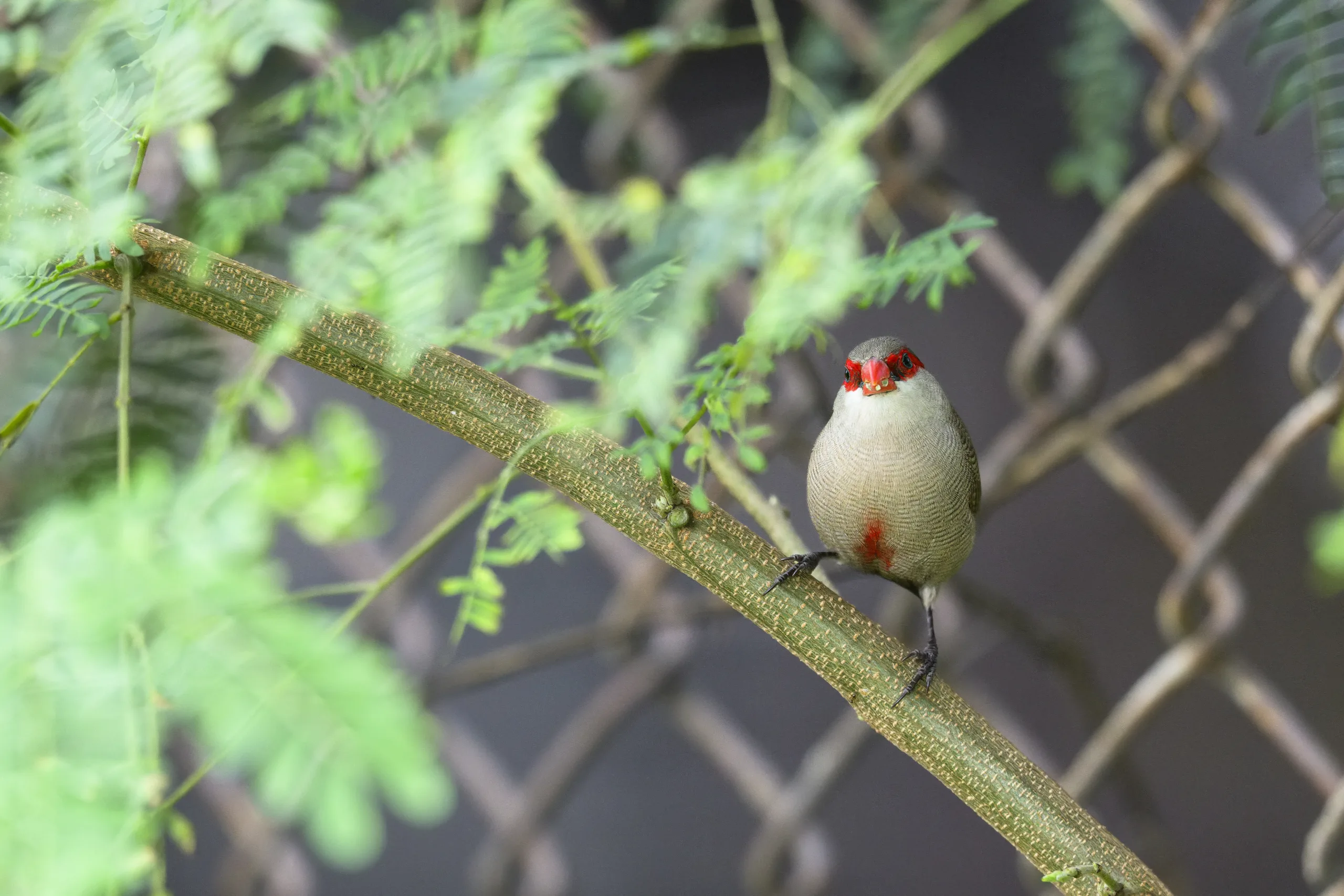
We begin in Waikīkī on the island of Oʻahu, where the Pacific greets us with golden beaches and iconic volcanic backdrops. Here we explore the island’s scenic southeastern shoreline at sunrise and wander beneath towering banyan trees in Kapiʻolani Park, where colorful birds from across the Pacific mingle with native species and the elegant White Tern glides overhead.
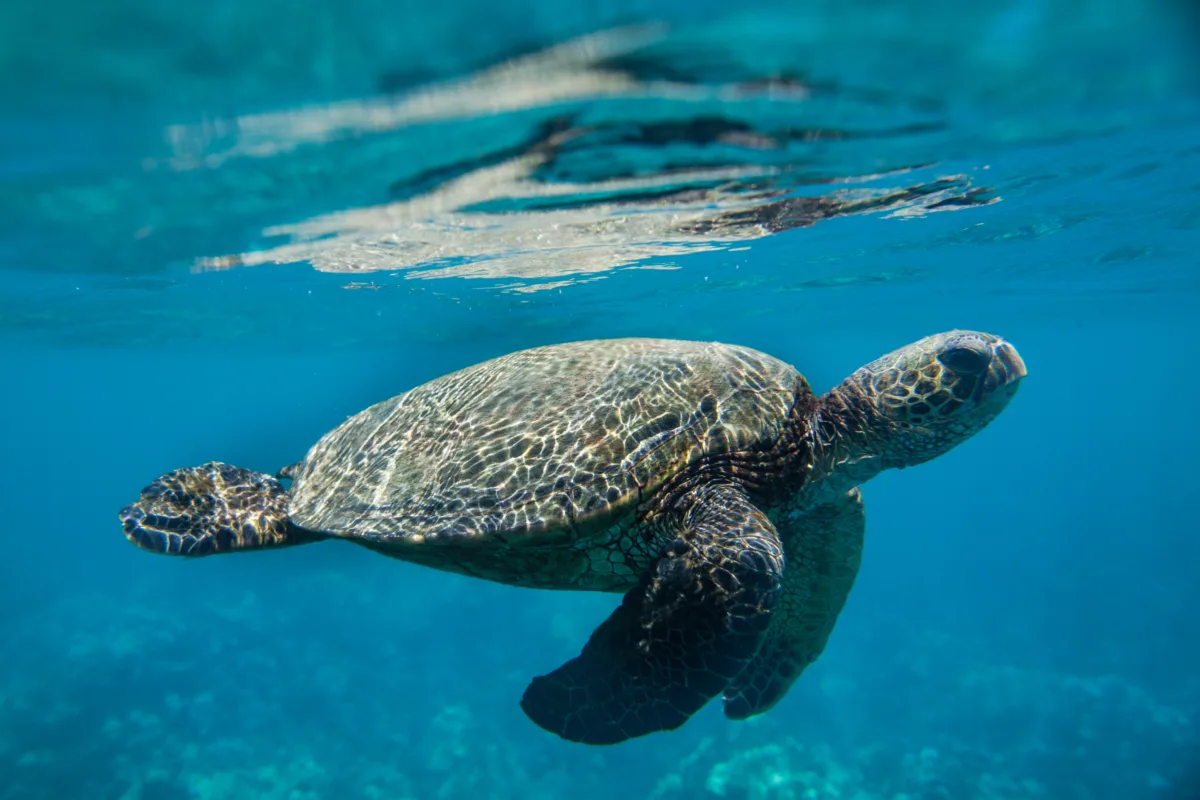
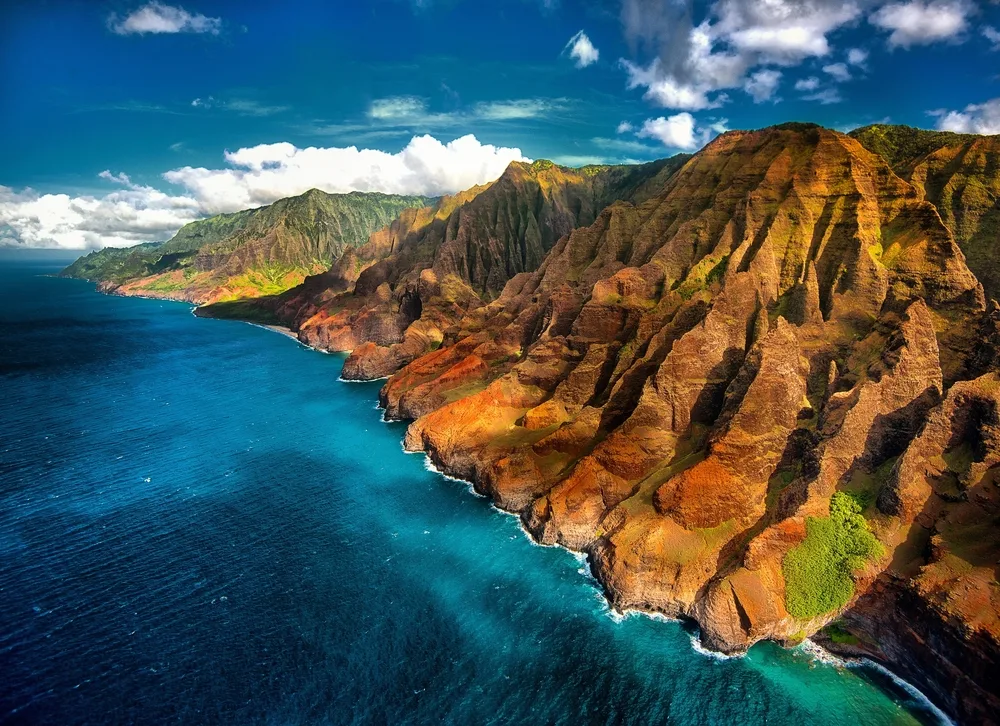
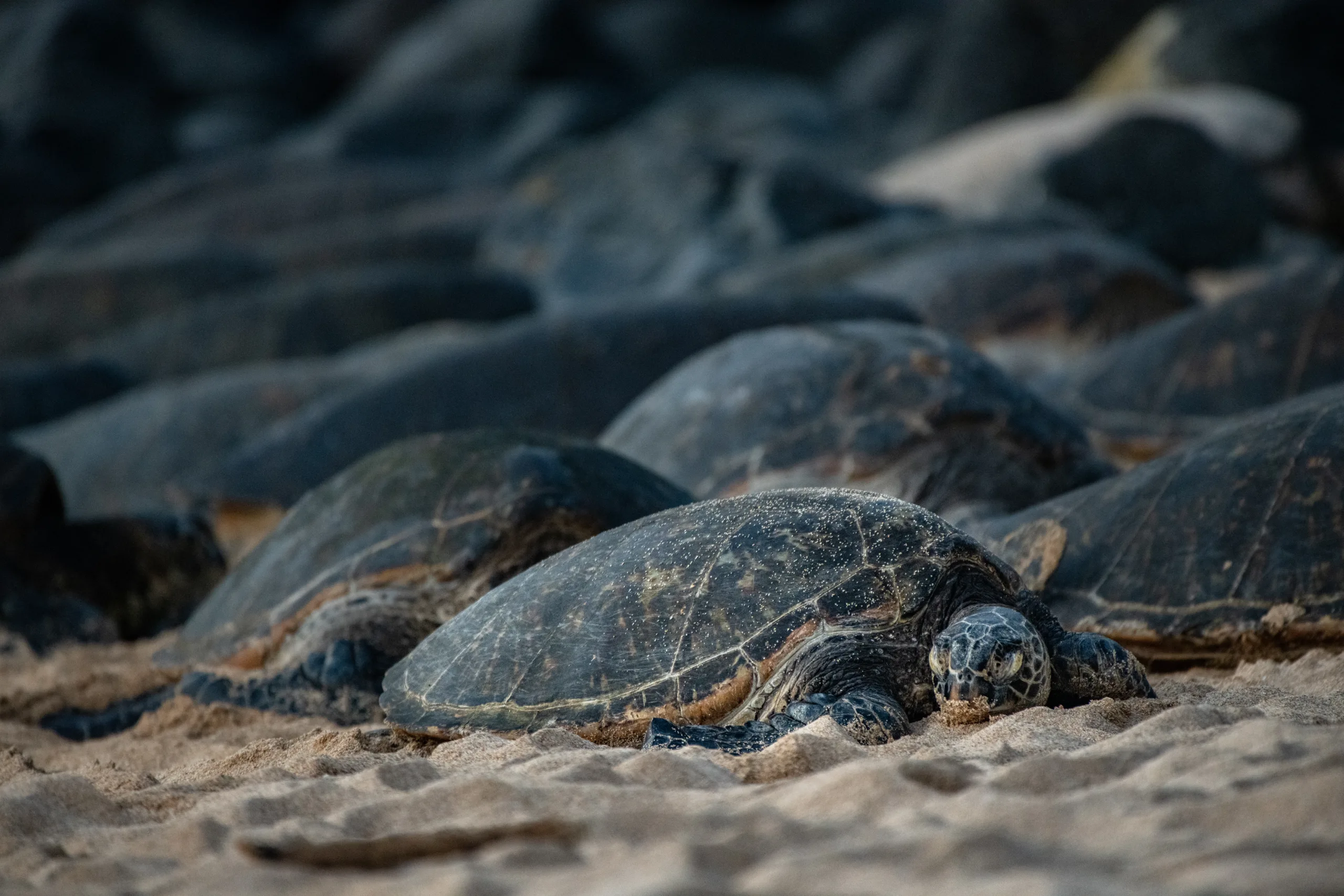
From Oʻahu we fly to the emerald island of Kauaʻi, often called the “Garden Isle.” Here dramatic landscapes unfold before us—from the sweeping vistas of Waimea Canyon, known as the “Grand Canyon of the Pacific,” to the rugged northern cliffs of Kīlauea Lighthouse National Wildlife Refuge, where Red-footed Boobies, Laysan Albatross, Great Frigatebirds, and White-tailed Tropicbirds soar over the ocean. Along Kauaʻi’s coastline we may encounter basking Green Sea Turtles and the rare and endangered Hawaiian Monk Seal.
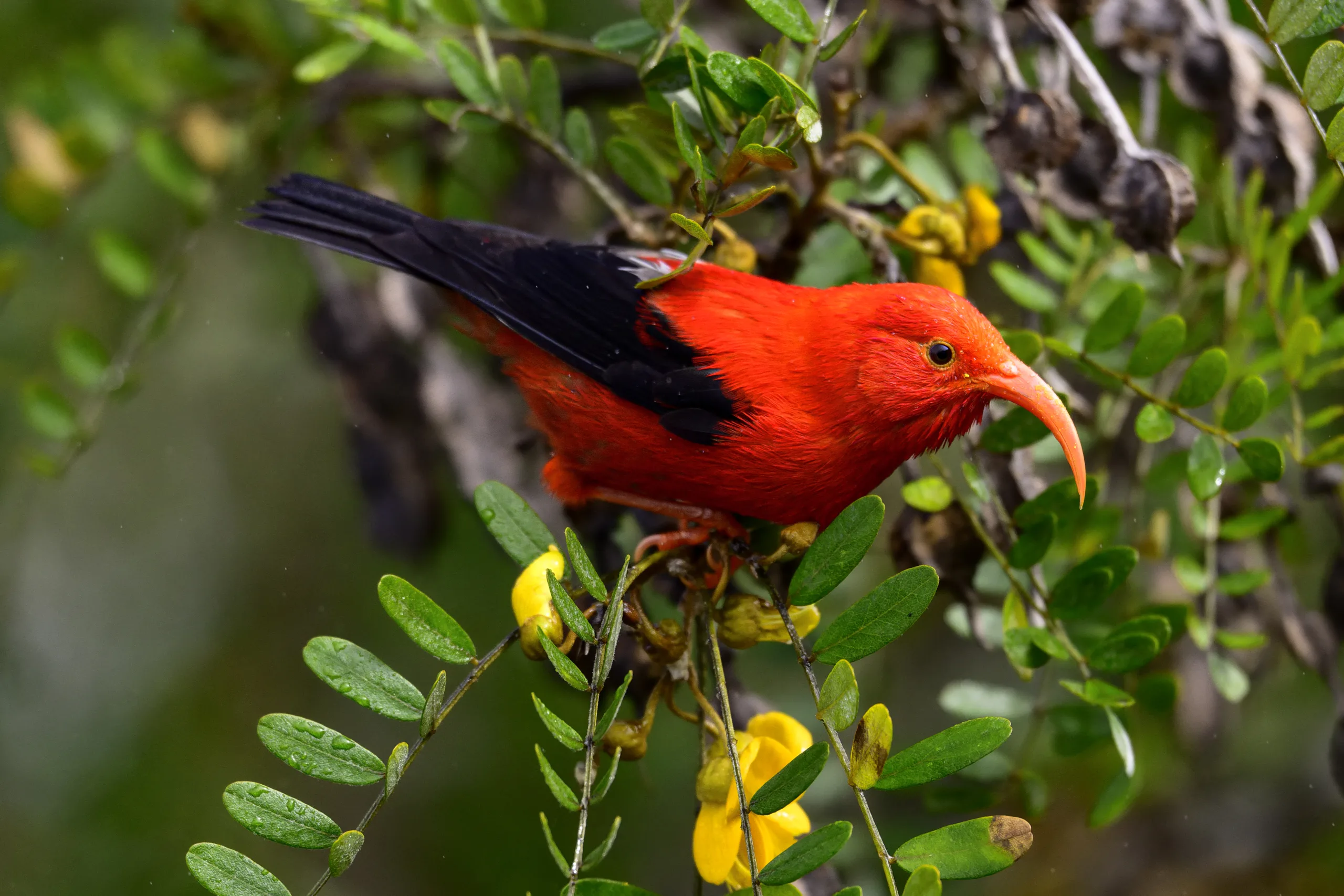
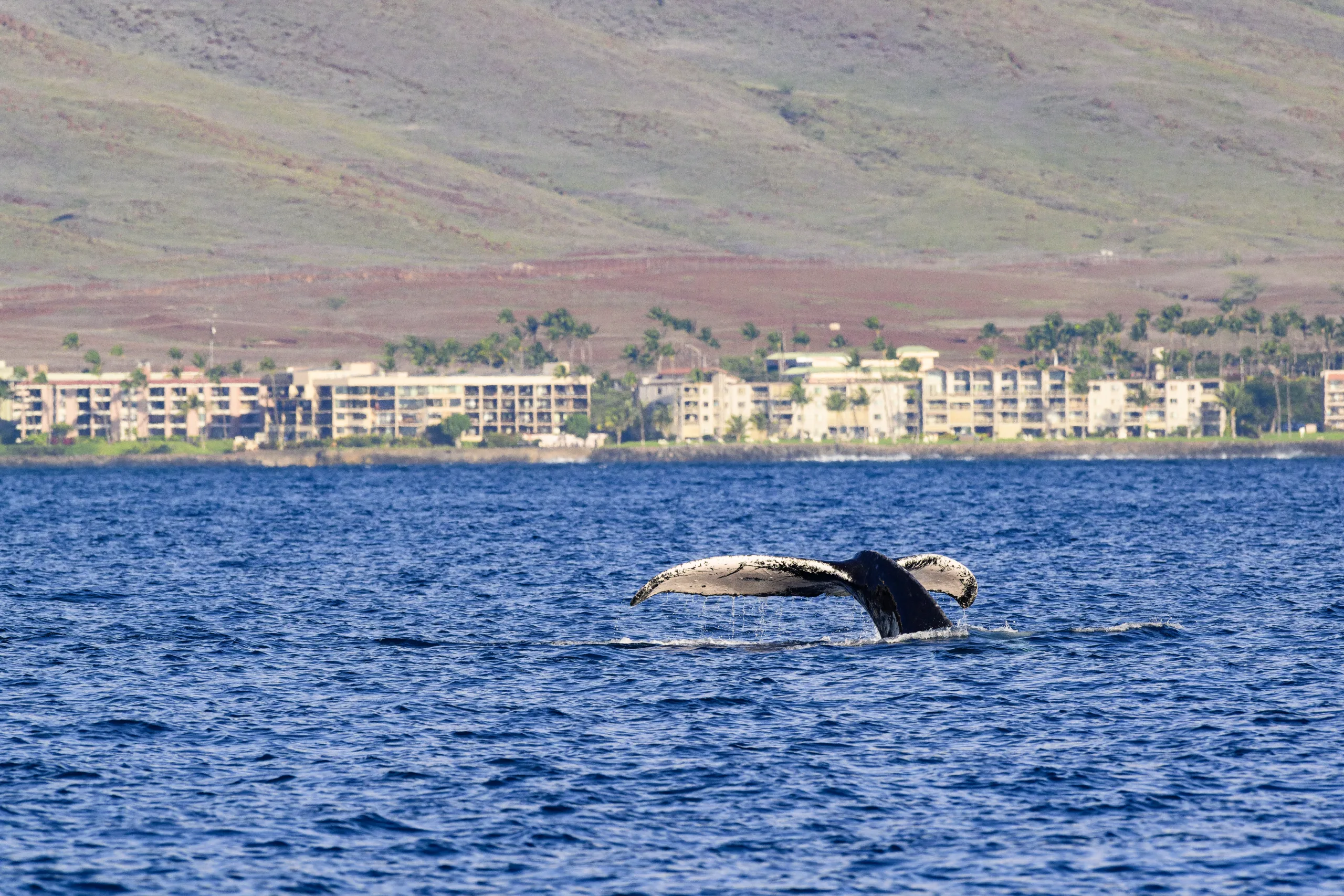
Next we continue to Maui, where the waters of the Pacific come alive with migrating humpback whales during the winter months. We head out on dedicated whale-watching excursions for unforgettable encounters with these magnificent giants as they breach, tail slap, and sing beneath the waves. Inland, the slopes of Haleakalā National Park offer a completely different world—misty high-elevation forests where brilliant Hawaiian honeycreepers flit through the canopy and endemic species survive in one of the most fragile ecosystems on Earth.
Our final island is the Big Island of Hawaiʻi, a land shaped by volcanoes and raw geological power. Here we explore lush rainforest valleys filled with cascading waterfalls before entering Hawaiʻi Volcanoes National Park, where ancient lava flows, steaming vents, and the vast Halemaʻumaʻu crater reveal the living heart of the Earth. If weather allows, we may also enjoy an evening beneath some of the clearest night skies in the world.
Throughout the journey we stay in comfortable island accommodations, enjoy delicious local cuisine, and experience Hawaii at a relaxed pace that allows time to truly absorb the beauty of these extraordinary islands.
This expedition is designed for travelers who love nature, wildlife, dramatic landscapes, and the magic of the Pacific. From sunrise over tropical shores to sunsets glowing across volcanic horizons, Hawaii offers a sensory experience unlike anywhere else in the world.
Whether you are an experienced photographer or still building confidence with your camera, Jennifer will be available throughout the tour to offer friendly, personalized photography guidance in the field, helping you capture Hawaii’s incredible wildlife and landscapes.
Come explore these legendary islands with us—where rare birds, ancient volcanoes, and warm ocean breezes create the adventure of a lifetime!
About your tour leader…

Jennifer Leigh Warner is a fine art conservation wildlife photographer, writer, public speaker and workshop leader, living in Central Texas and specializes in creating meaningful images that conveys a message of hope for the natural world. Jennifer feels strongly that by sharing these images of beautiful animals in their natural environment, she can inspire those around her to preserve the world that we share with all living creatures.
Jennifer is a Certified Texas Master Naturalist, an Ambassador for Nature First and is on the Board of Directors for the North American Nature Photographers Association as well as serves as their chair of the Ethics Committee.
Jennifer works closely with conservation organizations to help support their missions to protect wildlife and the world around us. She believes that photography is a powerful tool to share these stories, educate photo viewers on important topics and inspire change.
Jennifer’s work has been published in Outdoor California, Gizmodo, the NANPA Expressions Magazine, Outdoor Photographer Magazine, WIRED, The New Yorker, National Geographic Online and Wild Planet Photo Magazine among others.
6 Participants
$11,995 per person (shared room)*
$13,695 single room*
Payment schedule: deposit due immediately to reserve space, balance will be divided into two installments with final payment due Nov. 2026.
*If you would like to be paired with a roommate we will make every effort to do so, however if a roommate is not available the single room rate will apply.
ITINERARY
FEB. 3RD -12TH, 2027
Day 1 (Feb. 3rd) – Arrival in Honolulu, Oʻahu
Welcome to the Hawaiian Islands! Upon arrival at Daniel K. Inouye International Airport (HNL) you will be transferred to our hotel in vibrant Waikīkī. After settling into your room and taking some time to relax, we will gather in the evening to meet one another and begin our adventure together over a welcome dinner.
Overnight:Waikīkī
Day 2 (Feb. 4th) – Exploring Oʻahu’s Coast and Rainforest
Our first full day begins early as we head to Oʻahu’s spectacular southeastern shoreline for sunrise. Here we will photograph seabirds gliding over the sparkling Pacific while enjoying a picnic breakfast by the ocean.
From the coast we travel inland into the lush rainforests of the Koʻolau Mountains, where dramatic scenery and colorful forest birds offer wonderful photographic opportunities. Later we return to the coast in search of the elegant Red-tailed Tropicbird, often seen displaying along the island’s cliffs.
In the late afternoon we explore nearby Kapiʻolani Park, located just steps from our hotel and framed by the iconic slopes of Diamond Head. The park hosts a fascinating mix of native and introduced birds, including Pacific Golden Plovers and the graceful White Tern—Honolulu’s beloved city bird. As golden light spreads across the park and the sun sets over the Pacific, we enjoy one of the island’s most beautiful evening settings.
Overnight: Waikīkī
Day 3 (Feb. 5th) – From Oʻahu to Kauaʻi
After breakfast we transfer to the airport for our short flight to the island of Kauaʻi, known as the “Garden Isle.” Upon arrival we continue to our hotel before heading out to explore the island’s dramatic landscapes.
Our first photographic destination will depend on weather and lighting conditions, but we hope to visit the breathtaking overlooks of Waimea Canyon, often called the “Grand Canyon of the Pacific.” Later we head to the coast in search of shorebirds and sunset views along Kauaʻi’s rugged shoreline.
Overnight: Kapaʻa
Day 4 (Feb. 6th) – Seabirds and Coastal Landscapes of Northern Kauaʻi
Today we explore Kauaʻi’s spectacular north shore. Our destination is the dramatic coastline surrounding Kīlauea Point, one of the best places in Hawaii to observe seabirds.
Here steep ocean cliffs host colonies of Red-footed Boobies, while White-tailed Tropicbirds glide effortlessly along the coastline. Laysan Albatross and Great Frigatebirds are also frequently seen soaring overhead. We also keep watch for the Nēnē, the endangered Hawaiian Goose and official state bird.
Throughout the day we enjoy scenic coastal landscapes, wetlands, and lush valleys that make Kauaʻi one of the most photogenic islands in the Pacific.
Overnight: Kapaʻa
Day 5 (Feb. 7th) – Sunrise Wildlife and Travel to Maui
We rise early to photograph sunrise at Poʻipū Beach, where Hawaiian Green Sea Turtles often rest along the shore and the rare Hawaiian Monk Seal occasionally appears on the sand.
After our morning photography session and breakfast, we return to the hotel to prepare for our flight to the island of Maui. Upon arrival we travel to the sunny coastal town of Kīhei and check into our hotel.
In the evening we enjoy dinner together and take in Maui’s relaxed island atmosphere.
Overnight: Kīhei
Day 6 (Feb. 8th) – Whale Watching and Haleakalā’s Forest Birds
Winter is one of the best times to encounter humpback whales in Hawaiian waters, and this morning we head out on a whale-watching excursion. These magnificent animals migrate to Maui each winter to breed and calve, often providing spectacular viewing opportunities.
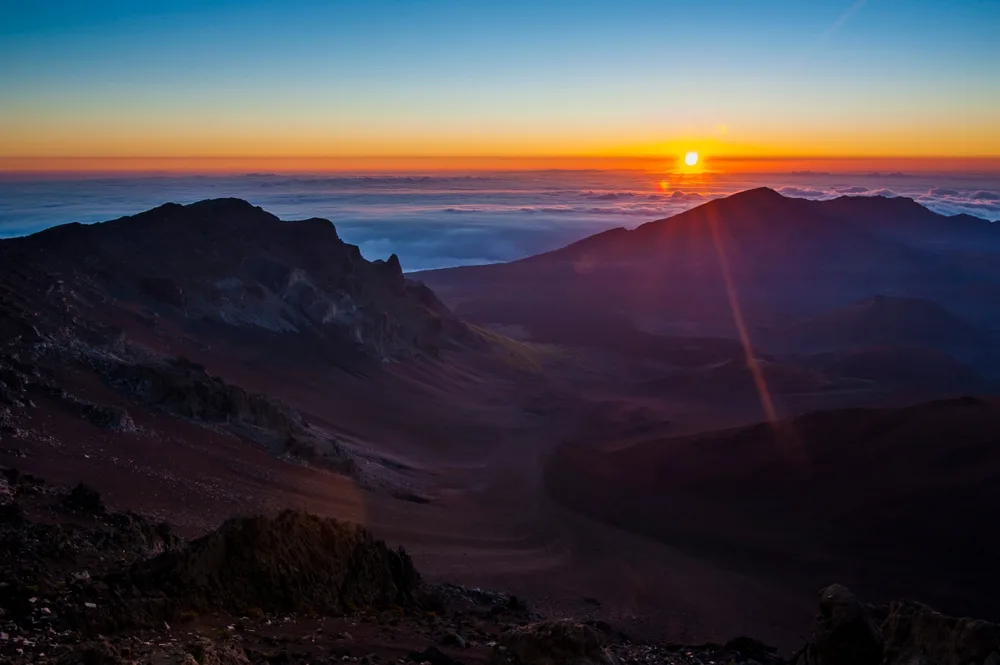
In the afternoon we travel to the slopes of Haleakalā National Park, where high-elevation forests shelter some of Hawaii’s most beautiful native birds. In the quiet forest of Hosmer Grove we search for colorful Hawaiian honeycreepers while enjoying the cool mountain air and scenic landscapes.
This evening, guests may opt to attend a traditional Hawaiian luau, offering an immersive cultural experience with local cuisine, music, and Polynesian dance.
Overnight: Kīhei
Day 7 (Feb. 9th) – Wetlands, Ocean Life, and Sunset on Maui
Our morning begins at the Keālia wetlands, where shallow ponds attract a variety of waterbirds and provide excellent photography opportunities in the soft early light.
After a relaxed midday break we return to the ocean for another memorable marine excursion that may include snorkeling and additional opportunities to encounter whales and other ocean life.
As evening approaches we gather along Maui’s coast to photograph sunset over the Pacific.
Overnight: Kīhei
Day 8 (Feb. 10th) – Maui Landscapes and Flight to the Big Island
Today we explore Maui’s rugged north shore, stopping at scenic locations such as Ho‘okipa and Twin Falls before enjoying lunch in the charming town of Pāʻia.
Later we fly to the island of Hawaiʻi (the Big Island) and settle into our hotel in the historic town of Hilo. If weather conditions allow, the evening may include an optional stargazing photography session under some of the clearest skies in the world.
Overnight: Hilo
Day 9 (Feb. 11th) – Waterfalls and Volcanoes
After breakfast we visit several of the Big Island’s beautiful waterfall viewpoints before heading to Hawaiʻi Volcanoes National Park.
Here we explore extraordinary volcanic landscapes shaped by powerful geological forces. Steam vents, lava fields, and sweeping views of Halemaʻumaʻu crater reveal the raw energy that continues to form the Hawaiian Islands.
We conclude our final evening together with a farewell dinner overlooking the dramatic volcanic landscape.
Overnight: Hilo
Day 10 (Feb. 12th) – Departure from Hilo
Our adventure concludes after breakfast. Guests will transfer to Hilo International Airport (ITO) for their flights home.
RESERVE SPACE
FEB. 3RD -12TH, 2027
Hawaii Islands Wildlife & Nature Expedition
Deposit
INCLUDED
- Accommodations in four star hotels with mountain and ocean views
- Inter-island flights
- All meals
- Photography instruction and mentoring from your tour leader
- Local naturalist and guide providing expert wildlife and island knowledge
- Traditional Hawaiian Luau
- Whale Watching excursion
- Park entrance fees
- Pre-trip zoom meeting with your tour leader and fellow participants
EXCLUDED
- Flight into Honolulu on day 1 and out of Hilo on day 10
- Travel Insurance (recommended)
- Gratuities
ACTIVITY LEVEL
Some days will begin early in order to photograph wildlife and landscapes during the best light and before afternoon trade winds and showers develop. Other mornings will be more relaxed, but we generally spend time outdoors during the early hours when bird activity is highest and temperatures are cooler.
Most photography locations involve easy walks on beaches, wide trails, forest paths, and roadside pullouts. Guests should be comfortable getting in and out of a van multiple times per day and walking approximately one mile over uneven ground or gentle slopes.
Conditions in Hawaii can include heat, humidity, rain, and occasional muddy or slippery terrain. Waterproof hiking shoes with good traction are recommended, along with sun protection, quick-dry layers, and rain gear.
Boat excursions for whale watching and snorkeling may involve calm to moderately rough seas, so guests should have reasonable balance and be comfortable on a moving boat. Those who prefer additional support may wish to bring collapsible walking sticks or a small travel stool.